

The Case for Prioritizing CWE Weakness Patterns Over Individual Bug Fixes
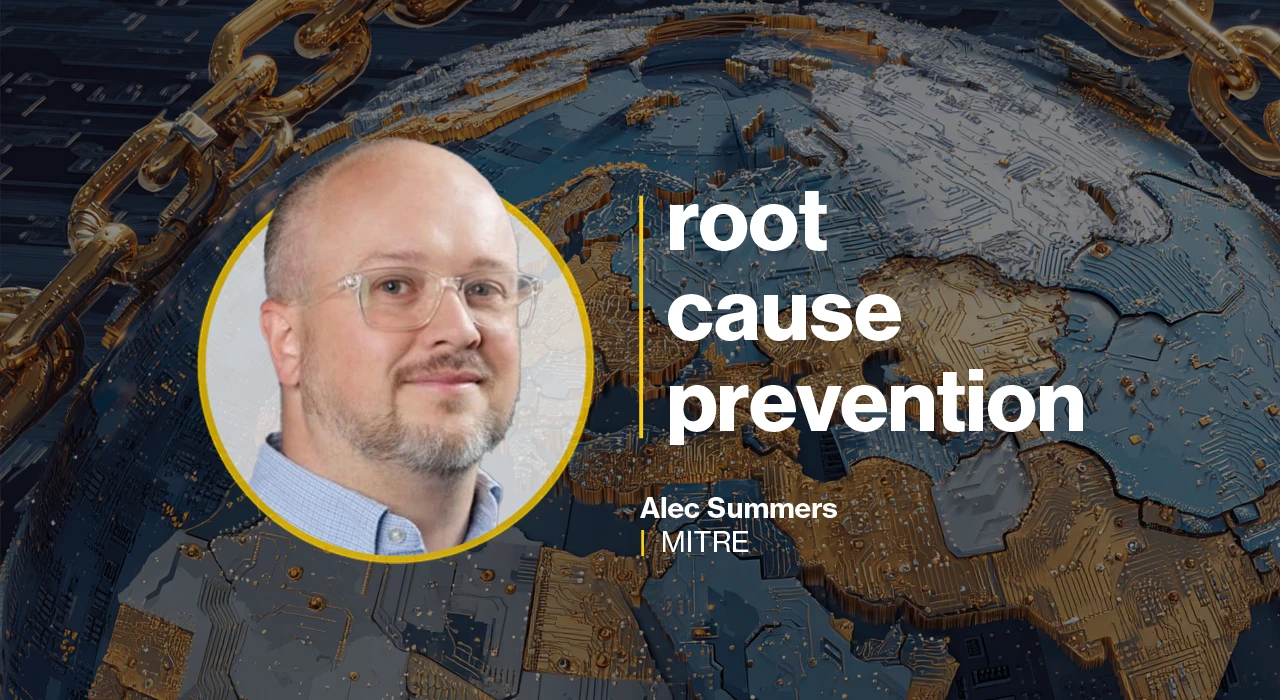
In a recent interview with Alec Summers, the MITRE CVE/CWE Project Lead, the conversation centered around the evolving role of the Common Weakness Enumeration (CWE) in vulnerability disclosure. CWE is transitioning from a reference tool to an active component in managing and understanding vulnerabilities. As more CVE records incorporate CWE mappings from CVE Numbering Authorities (CNAs), the precision of root-cause data improves significantly.
Automation tools have been pivotal in enabling analysts to map weaknesses with greater speed. However, there is a risk that these tools may perpetuate poor patterns if they are trained with inadequate examples. Summers emphasizes that addressing weakness patterns can alleviate the repetitive workload faced by security teams, particularly those constrained by limited budgets. The challenge lies in the industry's tendency to prioritize vulnerability language while CWE encourages teams to examine the fundamental issues that lead to security failures.
The Evolving Relevance of CWE
CWE has long served as a reference taxonomy recognized by many practitioners, yet it was rarely utilized actively. For engineers who have historically filed CVEs without considering CWE IDs, the landscape is now changing. CWE is increasingly integrated into vulnerability disclosure processes, highlighting the importance of transparent root-cause mapping. As the volume of CVEs rises, it becomes insufficient for teams to simply acknowledge a vulnerability; they must also understand the underlying reasons for its existence to effectively prioritize, remediate, and prevent future incidents.
There is a noticeable improvement in the application of CWE. A growing number of CVE records now feature CNA-provided CWE mappings, which tend to be more accurate due to the direct knowledge and contextual understanding that these authorities possess regarding the vulnerabilities. Such proximity fosters more precise mappings, enhancing the data's value for engineering teams.
Shifting Towards Systemic Risk Reduction
Another significant trend is the movement towards a 'secure by design' philosophy that aims to reduce systemic risks. CWE provides a standardized language that links individual vulnerabilities to broader development issues, enabling teams to shift from merely patching symptoms to addressing underlying patterns of weaknesses.
In the current landscape, CNAs and vendors are encouraged to assign CWE IDs during vulnerability disclosures. Preliminary data indicates progress in the quality of these assignments. The 2025 CWE Top 25 analysis reveals a positive trend towards more actionable mappings, with an increase in the use of Base and Variant-level CWEs for root cause identification. However, variability in quality persists, especially when mappings are made without complete context.
Automation's Role in CWE Mapping
Automation and tools are crucial for promoting CWE adoption and ensuring accurate mappings at scale. While these technologies have advanced rapidly, they must be paired with human expertise to achieve optimal results. Large Language Models (LLMs) have shown remarkable proficiency in analyzing extensive datasets to extract critical information. However, if LLMs are trained on flawed or abstract mappings, they risk perpetuating those same inaccuracies on a larger scale.
The most effective strategy combines automation with human insight, particularly from individuals familiar with the product. While automation can streamline the process, accurate CWE mapping ultimately hinges on the context and expertise of the analysts involved.
Economic and Operational Considerations
Framing weaknesses requires organizations to invest in solutions that address issues before they can be exploited. This can be a difficult proposition for security teams already overwhelmed with immediate threats. However, addressing root causes is not merely an additional task; it can lead to significant reductions in recurring work. When a single underlying issue results in multiple vulnerabilities over time, treating each incident as isolated can become increasingly costly.
Support from decision-makers is essential in this endeavor. Investing in root-cause remediation necessitates prioritizing engineering resources, aligning incentives, and acknowledging that prevention can significantly lower long-term operational costs and risks. Research has consistently shown that tackling issues earlier in the development lifecycle is more effective than remediation after vulnerabilities are discovered. By focusing on fixing classes of weaknesses, organizations can eliminate entire categories of future vulnerabilities, thereby reducing alert volumes, patching cycles, and operational workload.
Semantic Gaps and the Importance of Language
There remains a considerable semantic gap in how CWE is understood among researchers, vendors, and defenders. The primary disconnect lies in problem framing. For decades, the cybersecurity industry has focused on vulnerabilities and attacks, often neglecting the foundational weaknesses that enable these issues. CWE encourages a shift in perspective from merely addressing outcomes to understanding the underlying weaknesses that lead to adverse events. This change in framing can enhance prevention efforts, inform design decisions, and ultimately reduce the number of vulnerabilities that require management.
In conclusion, aligning terminology and understanding across the cybersecurity landscape is crucial. The ongoing challenge of achieving semantic consistency in how terms are defined and utilized can either facilitate or hinder effective communication and action in addressing security vulnerabilities. By prioritizing the identification and elimination of weaknesses, organizations can foster a more proactive security posture.
Source: Help Net Security News